

 Share on media


Selecting the right solution can make or break your digital presence. With more than a dozen platforms competing for attention, looking for the best website builders for small business owners in 2026 relates to aligning budget, features, and technical comfort with what your business really requires. A poorly selected builder can mean months of unnecessary costs, frustration, and a website that fails to properly showcase your brand.
Business owners today need more than a straightforward template. They require flexibility, speed, and a platform that scales along with your business. Whether you are launching a local service, a digital platform, or a content-based website, a best website builder must simplify the process instead of complicating it.
What is a Website Builder?
A website builder refers to a software platform that enables users to design, personalize, and publish websites without manually creating code. Such tools generally involve editors with drag-and-drop functionality, pre-created templates, in-built SEO tools, and hosting, making them accessible to users with no technical expertise.
Modern platforms have significantly evolved. Many now involve automated content suggestions, AI-powered design, and mobile-responsive layouts by default. This shift has made it simpler for small business owners to launch professional websites in hours instead of weeks, generally needing a designer or developer.
Key Features in an Effective Website Builder
Before you compare particular platforms, it helps to understand what differentiates a strong builder from an average builder. Consider the following:
- Simplicity: A genuine website builder for beginners must need little to almost no learning curve.
- Mobile Responsiveness: It is important for your website to look and function well across all devices and screen sizes.
- Built-in SEO tools: Sitemaps, meta tags, and clean structure of code impact visibility in searches directly.
- Loading Speed: Pages that load slowly can impact both conversions and rankings. Issues related to site performance, including a Fix Slow DNS Lookup delay, can impact how quickly your pages load quietly even before the content shows up.
- Scalability: The platform must support faster growth, whether this means adding a blog, e-commerce, or a support section.
- Pricing Transparency: Look for hidden expenses in applications, premium themes, or transaction fees.
Best Website Builders for Small Businesses in 2026
Let us see a possible breakdown of solution that consistently performs well for small business needs:
1. Wix:
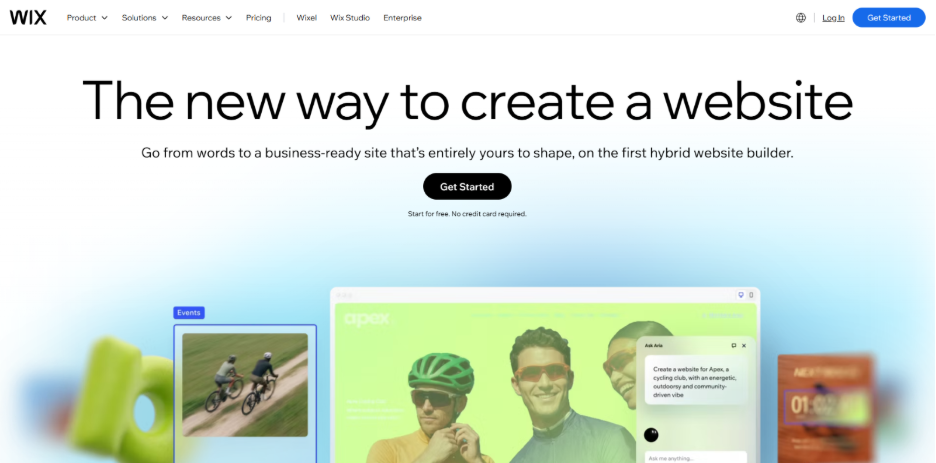
Wix has turned out to be the popular choice for owners who need a simple and drag-and-drop interface. Its extensive template library and in-built app market make it an effective option for starters who desire flexibility without the element of any technical complexity.
2. Squarespace :
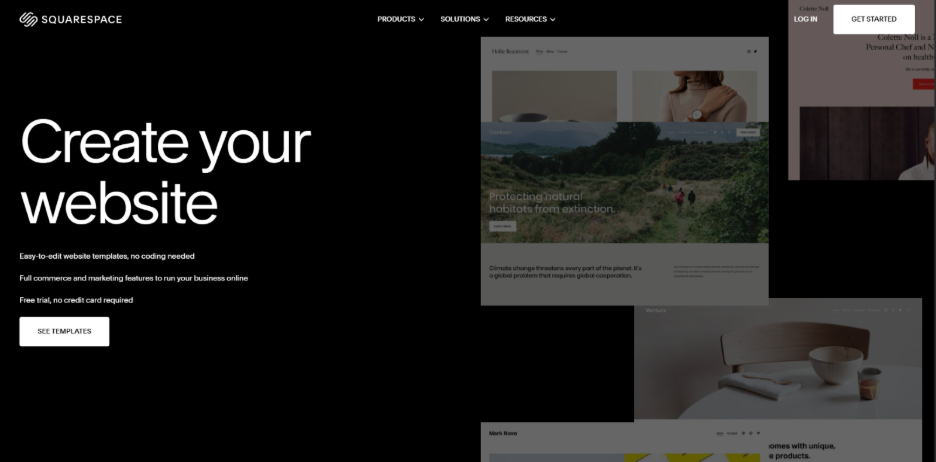
Squarespace is right-suited for brands that are design-conscious. Its templates are mobile-optimized and polished out of the box, making it a good option for boutiques, photographers, service-based businesses, and restaurants that depend on visual appeal.
3. Shopify :
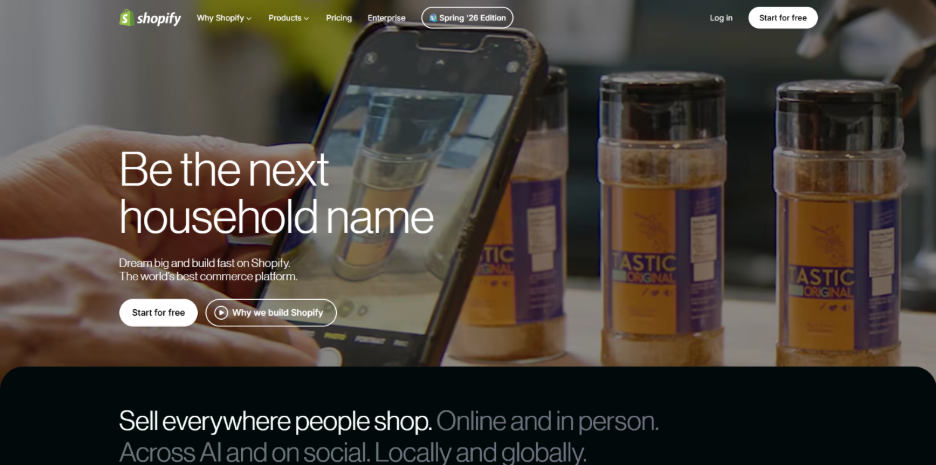
For businesses mainly focused on selling products on the internet, Shopify turns out to be an effective choice. It manages payments, inventory, shipping, and multi-channel selling in a single dashboard, making it a reliable choice for e-commerce-first small businesses.
4. WordPress.com :
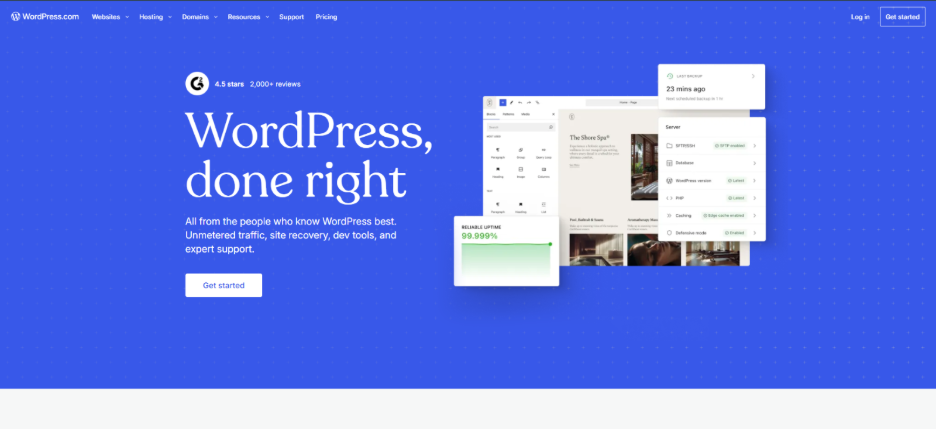
WordPress is still a powerhouse of the internet, and for a valid reason. Its capabilities of content management remain unmatched for organizations developed around search engine optimization, blogging, and long-term content marketing. It also provides some of the cost-effective website builders’ entry plans available, beginning at just a few dollars a month.
5. GoDaddy :
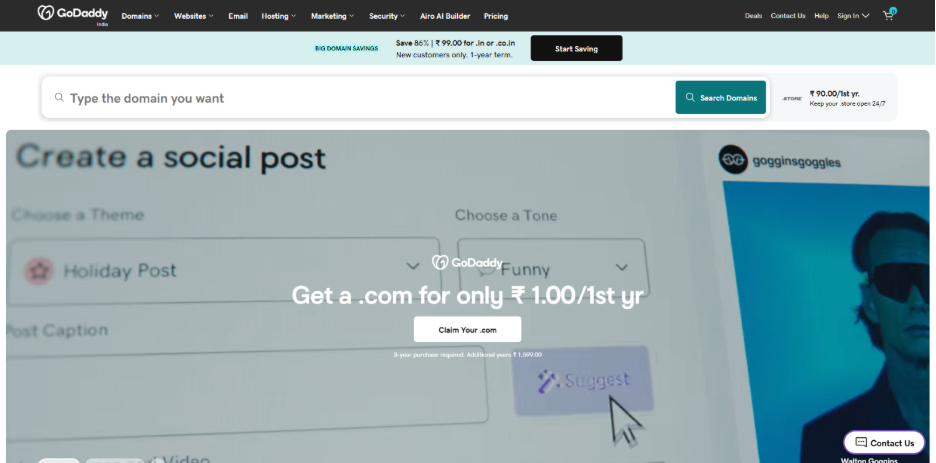
GoDaddy is a great choice for business owners who want to be live as soon as possible. Its AI-powered setup extracts data from current business profiles to create a functional website within a few minutes, making it a feasible option for local service businesses.
Curiously, today’s website builders serve far better than conventional storefronts. Niche communities, including fan blogs, Anime Websites, and hobbyist platforms, greatly depend on the same builder environment to launch galleries, content hubs, and membership pages without custom development.
How to Select the Best Builder for Your Business?
Choosing the best website builder largely depends on your particular objectives, goals, and budget. However, there are a few factors that you can keep in mind while making a decision:
- Selling physical products? Prioritize platforms with strong e-commerce and payment integrations.
- Running a content-heavy business? Choose a platform with robust blogging and SEO tools.
- Working with limited technical experience? Stick to drag-and-drop builders designed for simplicity.
- Planning to scale support content? A few businesses combine their website with a dedicated Knowledge Base Software for handling guides, FAQs, and customer documentation as their audience evolves.
Budget also plays a significant role. Numerous small businesses find that affordable website builders priced approximately between ten and twenty-five dollars per month to provide the right balance of cost and features, without unnecessary enterprise-grade add-ons.
Frequently Asked Questions :
Q1. What is the right option among the top website builders for a small business in 2026?
The best choice mainly depends on the type of business. GoDaddy and Wix suit beginners looking for simplicity; Shopify is an ideal choice for e-commerce, and WordPress.com is a strong option for content-based businesses.
Q2. Are cost-effective website builders dependable for professional use?
Yes. The most affordable solutions we have today include mobile optimization, SSL security, and standard SEO tools, making them the right choice for professional small business websites without needing premium plans.
Q3. Is a website builder for beginners a strong choice for long-term utilization?
Yes, absolutely. Beginner-friendly builders can provide support for long-term use, specifically for service-based businesses. As requirements evolve, the majority of platforms enable you to include sophisticated features such as booking systems or online stores over time.
Q4. Do website builders impact the speed of page loading?
Yes. Website speed relies on image optimization, hosting quality, and DNS response times. Selecting a reliable builder with effective server infrastructure aids in reducing loading delays.
Conclusion
Choosing the best website builders for small businesses mainly hinges on understanding your goals and priorities, whether that is design flexibility, affordability, e-commerce capability, or simplicity. There is no one platform that aligns with each business, but by assessing your specific requirements against the strengths of every builder, you can select platforms that complement your business today and comfortably scale as it evolves;
Now, how about one-click website development? WP1Click eliminates the hustle of building a website brick-by-brick and automates the entire process. Just describe your website and logo, choose a website niche, and provide your domain, and WP1Click builds and share with you a website complete with all the pages, logo, social icons, and even 15-20 blogs. Explore our website to learn more.