


 Share on media
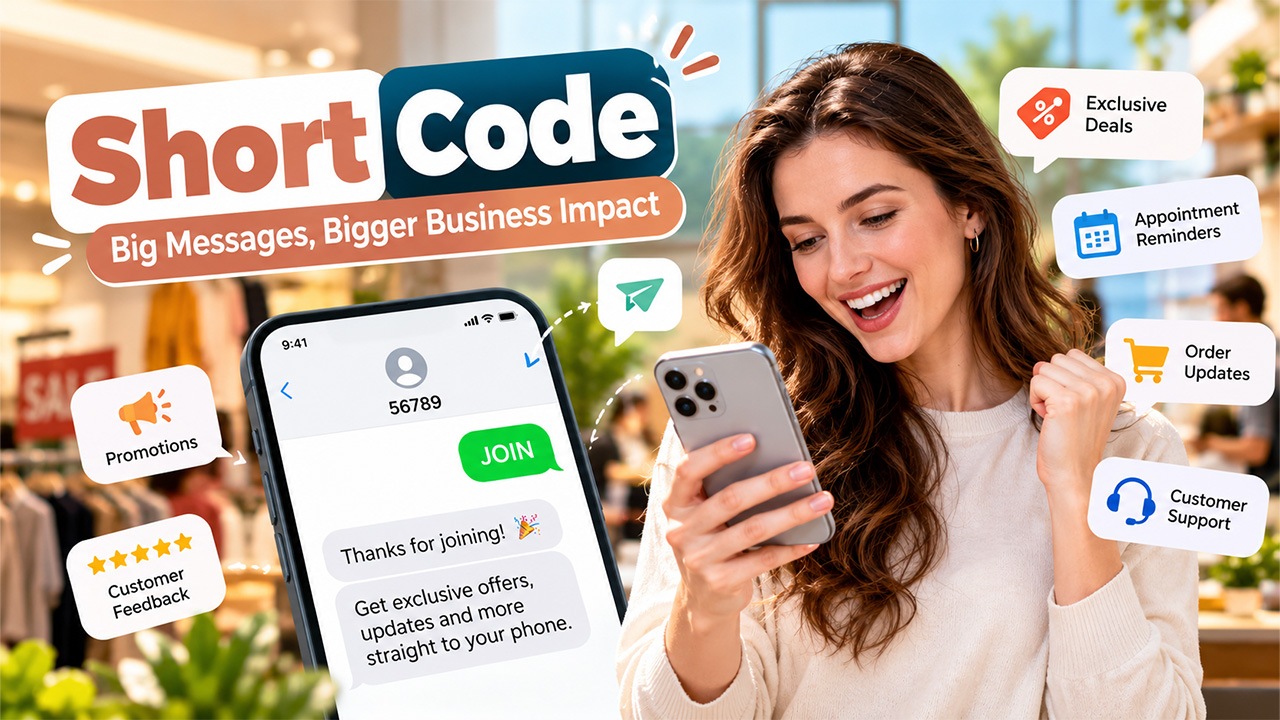


Short Codes can be defined as a combination of numbers or alphanumeric digits that businesses use in text messaging, which enhances communication with their customers and helps in advertising new products or services. It enables consumers to communicate with the brand through a short and easy-to-recall code that can be effectively utilized for promotional offers or confirmations of issues like appointments, in all cases where brands rely on SMS messaging to get in touch with their customers. The usage of these codes also simplifies the use of SMS text messaging, making it easier to comply with different laws and regulations.
What Is a Short Code?
It refers to a short number that is used by businesses for sending and receiving SMS (Short Message Service) texts. In the US, a common SMS code usually consists of five or six digits, and, unlike regular phone numbers, it is created specifically for sending and receiving tons of text messages and interacting with customers in a simplified way.
Taking an example of a retail outlet, the outlet can ask its customers to text the code with the keyword JOIN if they want to receive deal alerts. The keyword can also be sent to enter a contest, get a coupon, or obtain product information.
What Are the Different Types of Short Codes?
Depending on their messaging requirements, brand and budget, businesses can opt for several different kinds of codes.
Dedicated Short Codes
A dedicated short code is exclusive to one business or company. It helps the business better control messaging campaigns, keywords, and customer interactions. Businesses that send high message volumes will often opt for dedicated ones to ensure their brand messaging remains consistent.
Shared Short Codes
A shared short code is one that various businesses can use. Each business has a variety of unique keywords to identify the different campaigns. These are less popular in the US as most of the major carriers have capped or eliminated many shared-code messaging campaigns.
Vanity Short Codes
It is a number with easy-to-remember digits or a number that is associated with your brand. This number helps companies brand their logos as well as their messaging campaigns.
Random Short Codes
A random code is a number provided by a messaging provider or carrier, instead of a number that is specifically targeted for branding purposes. The random code has similar messaging capabilities to other dedicated codes without the need for a memorable number.
How Does Short Code Texting Work?
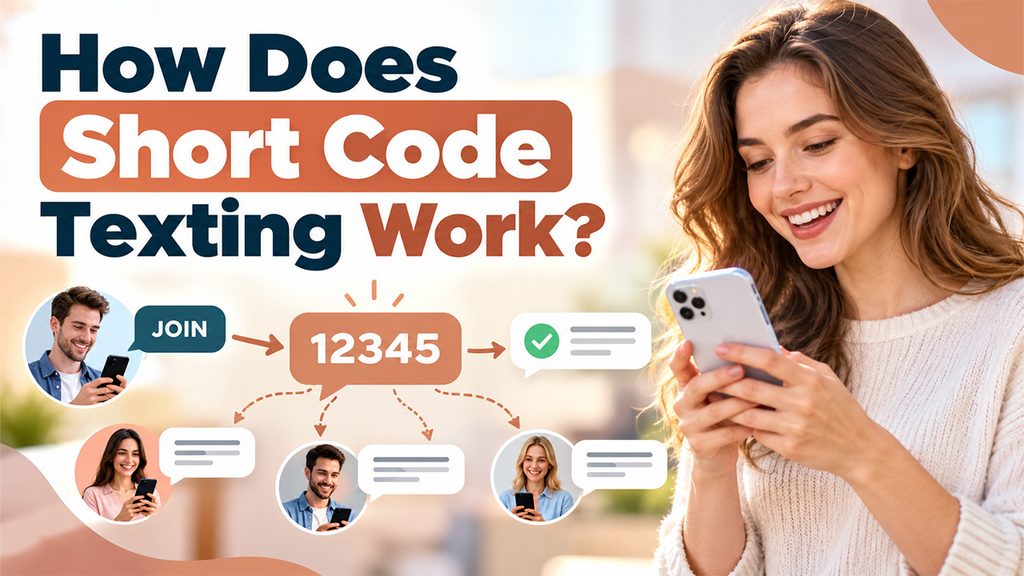
Short code texting enables a customer and business to communicate with each other by sending text messages to a shared number. The basic process usually includes a messaging provider, a mobile carrier, and the customer’s mobile device. The process follows these steps:
- Register Your Code: A business that chooses an available code registers with a messaging provider for approval.
- Set Up Campaign Details: The company establishes message content, keywords, target audience, and timing for delivery.
- Gather Consents from Your Customers: Customers opt in by texting an identified keyword or filling out a web-based form, or utilizing some other approved method to opt in.
- Send Messages: The business will send promotional messages, reminders, alerts or other relevant messages to people who have opted in.
- Control Responses: Customers can reply with supported keywords, ask questions, or unsubscribe using the controls the campaign has established.
For instance, a customer sends JOIN to a code associated with a business and receives a confirmation message. The business can then send follow-up messages or notify the customer of updates based on a customer’s subscription and opt-in preferences. Customers can generally send STOP to unsubscribe.
What Are the Common Uses of Short Codes?
These codes are used to meet various messaging requirements in different industries. Their high-volume capacity makes them suited to organizations that communicate with their customers on a frequent basis.
SMS Marketing and Promotions
Retailers and e-commerce sites utilize these numbers for short-term sales, seasonal discounts, exclusive deals, product launch announcements, and discount codes. Businesses can also use automated SMS campaigns to deliver timely promotional messages and improve customer engagement. With these numbers, customers have the ability to opt in to receive instant notifications.
Appointment Reminders and Service Alerts
Service companies, healthcare providers, and other organizations also use text messaging to send appointment reminders, notifications about schedule changes, and service alerts. These messages keep customers up to date while eliminating missed appointments.
Customer Surveys and Feedback
Businesses gather customer feedback using these codes. An SMS code allows companies to send customers a straightforward SMS survey or question. For instance, a business might ask a customer to rate a recent service or reply to a short survey question.
Event Registration and Voting.
Event managers may use these codes to register audience members and take votes, polls or for other applications. Audience members are able to text the code to access event information.
Order Updates and Customer Support
Send order confirmations, dispatch notifications, delivery updates, and support instructions via SMS. Customers get updates instantly without having to open an email or visit a website.
Short Code vs. Long Code: What’s the Difference?
A short code (sometimes called a short number) is a compact code for business messaging. A long code is a regular phone number.
| Feature | Short Code | Long Code |
| Number Length | 5-6 digits in the U.S | 10-digit phone number |
| Message Volume | High-volume messaging | Lower-volume messaging |
| Cost | High setup & recurring costs | Low setup costs |
| Approval Process | Requires registration | Depend on the number type |
| Memorability | Simple to recall | Same as a regular phone number |
What Are the Benefits of Short Codes?
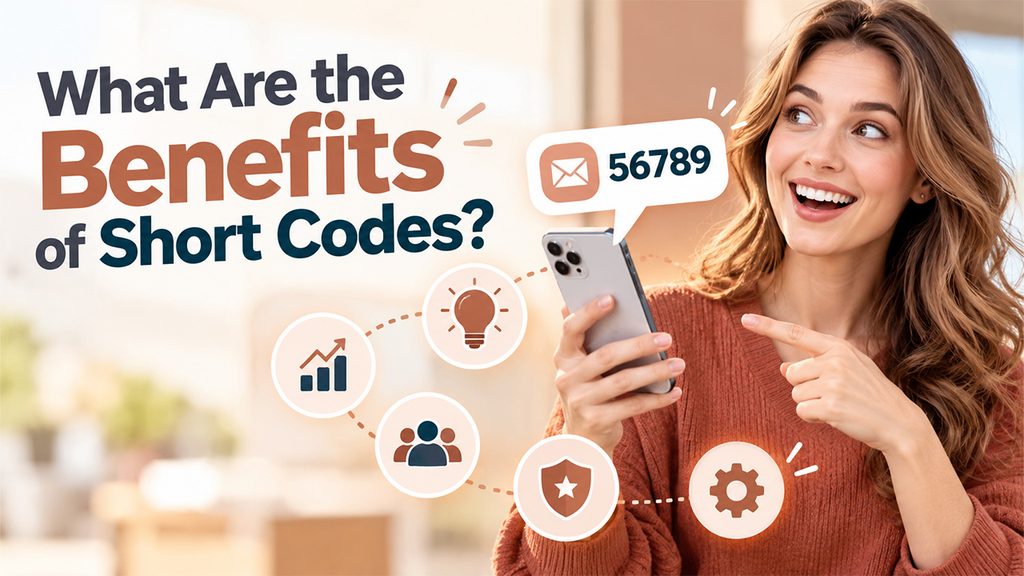
There are a few benefits that short numbers bring to text message-dependent businesses. But your organization will also have to weigh up their costs, the registration process and how you will use them.
- Simple To Recall: Short numbers are simple for consumers to recall and interact with a brand messaging channel.
- High-volume Messaging: Short numbers enable the sending of high volumes of SMS messages. This makes them ideal for large retailers, banks, and other businesses with a lot of subscribers.
- Customer Engagement: Companies leverage the two-way messaging feature along with keywords in order to rally participation for surveys, programs, subscriptions, and offers.
- Brand Recognition: A dedicated code helps ensure there is a united identity present in messaging campaigns.
- Consistent Campaign Management: Using approved short numbers allows businesses to send messages to subscribers through any of the participating mobile carriers.
Businesses can combine SMS messaging with a well-planned push notification strategy to share timely updates, promote offers, and encourage customers to revisit their websites.
Conclusion
These codes are one of several ways that organizations can use the SMS channel to engage with customers. Short codes are advantageous for marketing messages, reminders, polls, event RSVPs, and service notifications, since they’re easy to remember and capable of high-volume sending. But there are some factors that determine whether they’re a good fit, including registration, cost, carrier restrictions, and customer opt-ins. Learn the differences between code types and how organizations can use them to find a suitable SMS messaging solution.
Frequently Asked Questions
It is a shorter code that a company may use to send and receive texts. Companies generally send out marketing campaigns, alerts, and customer engagement services.
SMS code numbers in the US are usually either five or six digits.
No. Businesses may pay setup fees, recurring charges, messaging fees, and provider costs. Customer messaging charges depend on their mobile plans and service arrangements.
A business can contact an authorized SMS messaging provider, select an available code, register its intended use, and complete the required approval process.