

 Share on media
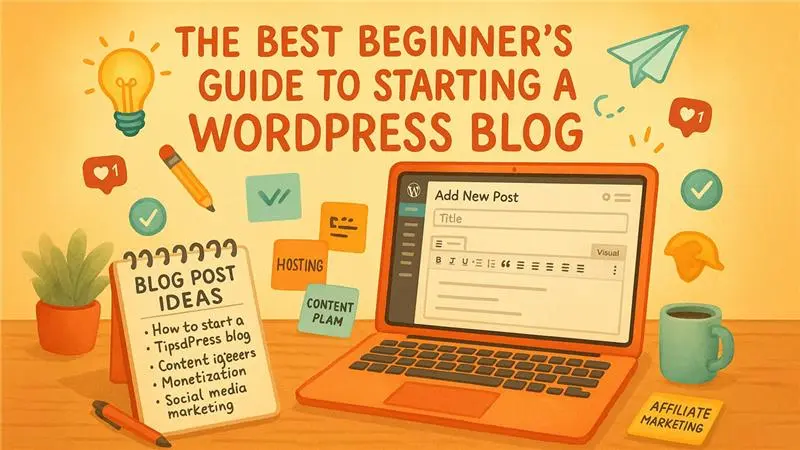


The blog covers the complete steps in how to start a blog in 2026, which include finding a niche, installing WordPress, publishing content, growing traffic, and monetizing it. The guide is built specifically for beginners to offer a clear and step-by-step approach to starting a WordPress blog.
In the current digital landscape, starting a blog has become one of the best ways to share knowledge, develop a personal brand, and generate income. With growing consumption of digital content, blogging is much more impactful for businesses and individuals. From establishing the authority of a business in a specific niche to sharing personal experience, a blogging website in 2026 can offer positive results. The availability of modern blogging tools, along with improved SEO practices and flexible monetization options, also makes it easier for beginners to succeed in blogging, even without any technical knowledge.
What Is a Blog
A blog is a kind of website where information is frequently published and usually takes the form of short articles.
Blog websites serve multiple purposes, such as sharing thoughts and experiences, along with teaching specific topics. The blog posts are generally displayed in reverse chronological order, ensuring that the latest content appears first.
Unlike a static website, which is rarely changed, a blog post is designed to be updated frequently. From sharing a personal experience to offering product reviews or tutorials, a blog can help the user to connect with the audience while offering valuable information.
Why Start Blogging
Starting a blog can offer key benefits to individuals or businesses, some of which are as follows:
- Share Knowledge and Passion: With a blog post, individuals or businesses can write about a specific topic, helping others learn, while also building credibility.
- Build Online Presence: The blog post can also establish the digital identity of the user, making it easier for people to discover them through search engines.
- Business Growth: Businesses can also use blogs to attract potential customers, answer common questions, and showcase their products and services.
- Improve SEO: Publishing high-quality blogs regularly can optimize the content that can increase the search engine visibility of the website.
How to Start a Blog in WordPress in 2026
A detailed process for starting a WordPress blog page in 2026 is as follows:
Step 1: Choosing Your Blog Niche
Choosing the niche of the blog sets the direction of your blog. It helps in understanding what would be attractive for personal interest, probably dealing with your expertise, and offering growth potential.
Key Considerations Before Selecting a Niche
- Choose themes you particularly enjoy discussing over the course of everyday life.
- Identify experiences or skills worth sharing.
- Ensure continuing interest during time.
- Assess audience potential and monetization opportunities.
Step 2: Setting Up Your Blog Foundation
A well-configured foundation helps improve the performance, security, and user experience of the website, while also ensuring it is easy to manage and optimize search engines.
The process of setting up the foundation of the blog includes:
- Choose a Domain Name
- Choose a Reliable WordPress Hosting Provider
- Register Your Domain and Connect It to Hosting.
Step 3: Installing WordPress
Most of the modern hosting providers automatically install WordPress when a user signs up. This eliminates any technical hassle for beginners.
To access WordPress, users can:
- Log in via the hosting control panel
- Go directly to yoursite.com/wp-admin/
Step 4: Designing Your Blog
The appearance of your blog is what every guest sees first. The themes in WordPress regulate visual presentation and do not require coding of any sort.
To Install a Theme
- Browse available themes.
- Preview themes to visualize appearance.
- Click “Install” on the selected theme.
- Activate the theme to make it live.
Step 5: Install the Necessary Plug-ins
Plug-ins are plug-and-play modules that enhance the basic functionality of WordPress. WordPress directories feature more than 60 thousand plugins, among which key plugins, such as a contact form plugin, analytic plugin, an SEO plugin, and a backup plugin, are considered essential.
Users can additionally install other key plugins, like security plugins, performance plugins, and email marketing plugins.
Step 6: Creating Your First Blog Post
The main principle of blogging involves writing and publishing content. The block editor of WordPress makes it easy to create a blog.
To Publish a Blog
- Write post content.
- Add headings and formatting.
- Insert images or media.
- Categorize and tag your entries.
- Click the “Publish” button.
Before publishing content, beginners can also configure their content creation preferences through WordPress Writing Settings, which help manage default writing options and improve the overall publishing workflow.
Step 7: Expand Your Range of Audience
Creating an engaged readership is dependent upon how you successfully act as a strategic marketer with your promotions and engagement strategies.
To expand your audience range, you can follow key steps, such as:
- Building An Email List: Building an email list can help get readers to return and consume newer content, and also create a sense of community.
- Push Notification Strategy: It helps in re-engaging past customers who have left the store through the web. It also promotes new content on their website and sends customized notifications, targeting each user’s interests and preferences.
- Social Media Marketing: Social platforms drive traffic and build community engagement.
- Content Marketing : Consistent, quality content remains the basis for expanding your audience.
Step 8: Monetizing Your Blog
A financially viable and profitable blog contains several streams of revenue.
Users can monetize the blog through the following processes:
- Online Ads: AdSense connects bloggers to advertisers. Advertisers place bids on the most relevant keywords.
- Affiliate Marketing: Promoting products and services for commissions on resulting sales on E-commerce businesses.
- Selling Products or Services: Create and sell your own offerings.
- Membership and Subscriptions: Offer high-value content or course material behind paywalls for recurring revenue.
Essential Blog Monetization Methods Comparison
| Monetization Method | Difficulty Level | Initial Investment | Time to Profit | Potential Revenue | Best For |
| Google AdSense | Easy | None | 3-6 months | $100-$500/month | Beginners with growing traffic |
| Affiliate Marketing | Medium | None to Low | 4-8 months | $500-$5,000+/month | Bloggers with engaged audience |
| Selling Digital Products | Medium to Hard | $100-$500 | 6-12 months | $1,000-$10,000+/month | Experts with specific skills |
| Selling Physical Products | Hard | $500-$2,000 | 6-12 months | $1,000-$20,000+/month | E-commerce focused blogs |
| Membership/Subscriptions | Hard | $200-$800 | 8-12 months | $500-$10,000+/month | Authority blogs with loyal audience |
| Sponsored Content | Medium | None | 6-9 months | $200-$2,000/post | Niche blogs with quality content |
| Online Courses | Hard | $300-$1,000 | 8-15 months | $2,000-$15,000+/month | Educational blogs with expertise |
Blogging in the AI Era
The introduction of AI has significantly transformed the way bloggers research, write, and optimize their content. It makes creating and publishing articles easier. AI-powered tools can quickly generate trending ideas, create an outline, improve grammar, and optimize content for SEO. However, starting a WordPress blog in 2026 requires more than AI-generated content. Search engines prioritize original, accurate, and experience-driven content, which can actually help readers.
The best approach to start a WordPress blog is to combine the efficiency of AI-powered tools with human creativity. Bloggers can use AI for brainstorming, researching, and editing, while also ensuring the blog is fact-checked, personalized, and written keeping in mind the needs of the audience.
Conclusion
The process of how to start a blog is much easier than ever, especially with the introduction of beginner-friendly tools, reliable hosting providers, and the flexibility of WordPress. Choosing the right niche, along with setting up a solid foundation, designing the website, publishing valuable content, and promoting it effectively, can help build a blog that helps boost the online presence of individuals or businesses.
Through a blog, users can share their expertise on a specific niche, along with supporting the business and building a profitable online venture. As the blog post gains authority and attracts larger audiences, it offers users the opportunity to grow the brand, generate income, and establish themself as a trusted voice in the niche.
FAQs
Is blogging possible without WordPress?
Yes, other blogging platforms exist. But for the serious blogger, WordPress presents the best combination of freedom, ownership, and monetization capabilities.
Is it possible to make a blog without hosting?
No, it’s not. Hosting is quite necessary; web hosting hosts your blog files and makes them accessible on the internet.
Does it cost anything to start a WordPress blog?
The software is free but hosting and domain names are not. There are free WordPress.com blogs, but they have some substantial limitations when trying to customize or monetize.
How much does it take to start a blog?
The costs vary according to the selected hosting plan and tool. Simple blogs can start off for less than $100 per annum, while professional setups may require an upfront investment in the range of $300-500. Most of the tools come with free trials, with money-back guarantees.
Can I create a blog and start making money with Google AdSense?
Absolutely, Google AdSense is the most popular blog monetizing option. It is very easy to put in place, and when traffic starts growing to at least decent levels, it can bring in some passive income.